Medicine

LifePlusHealthcare At Your Fingertips
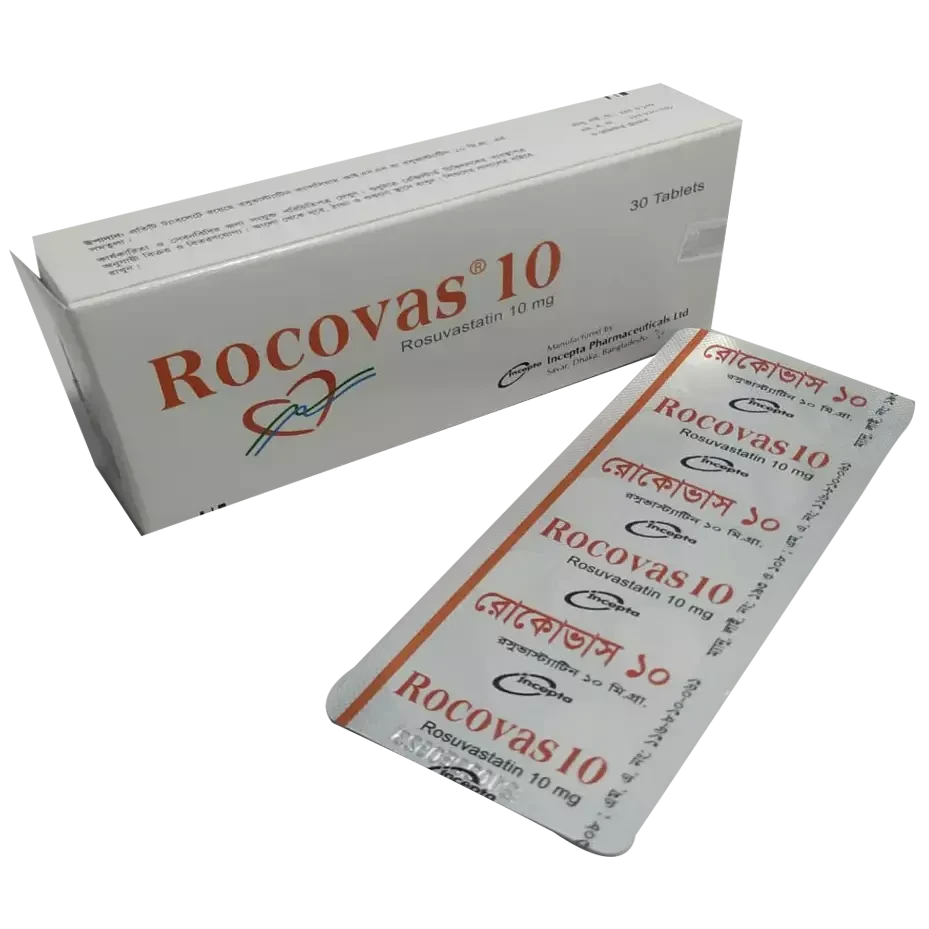
Rocovas 10 - Tablet - (10mg)
৳100per Packet 1 pack
Explore your options
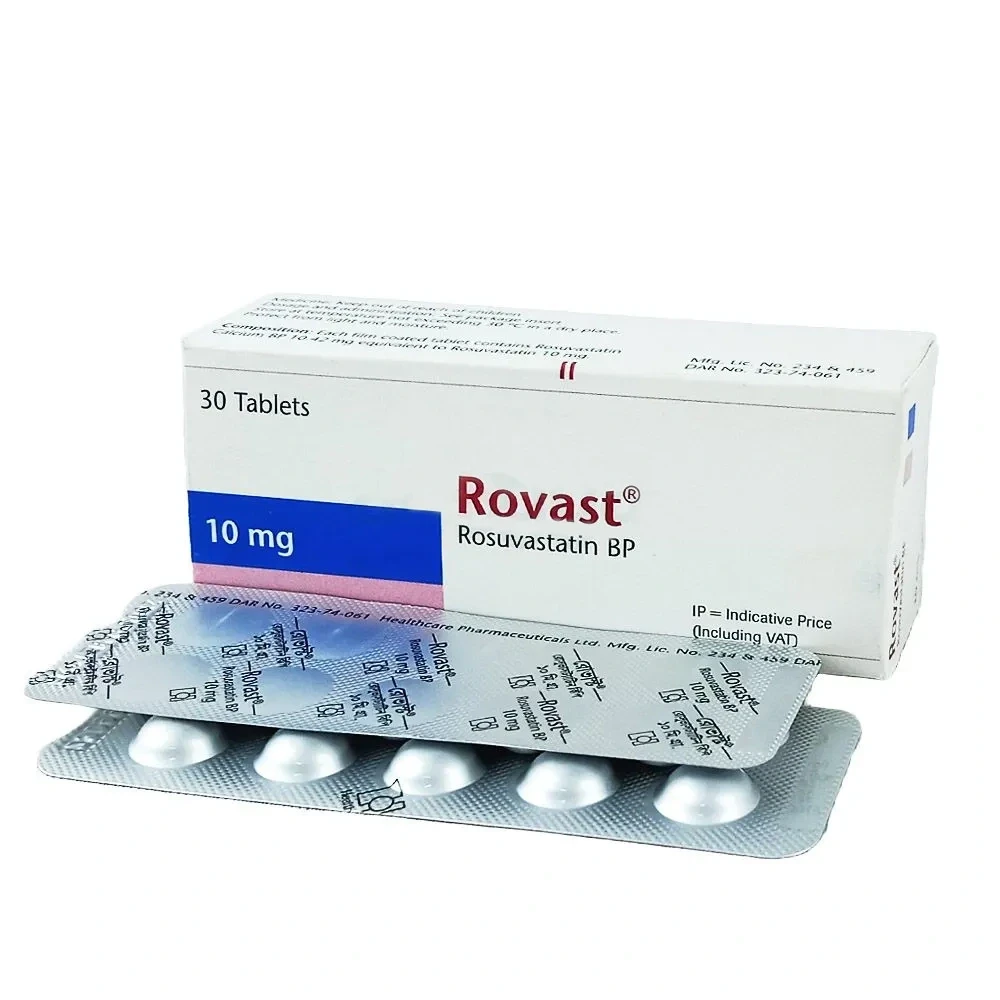
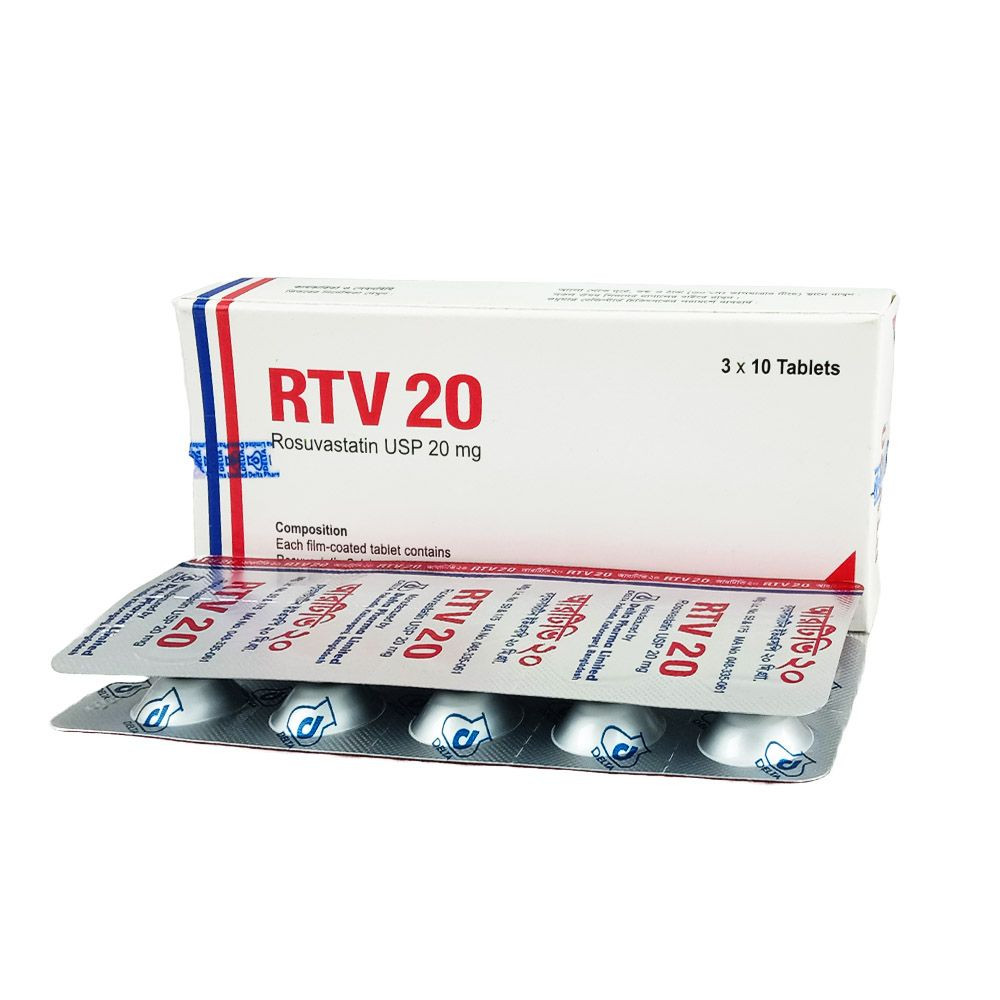
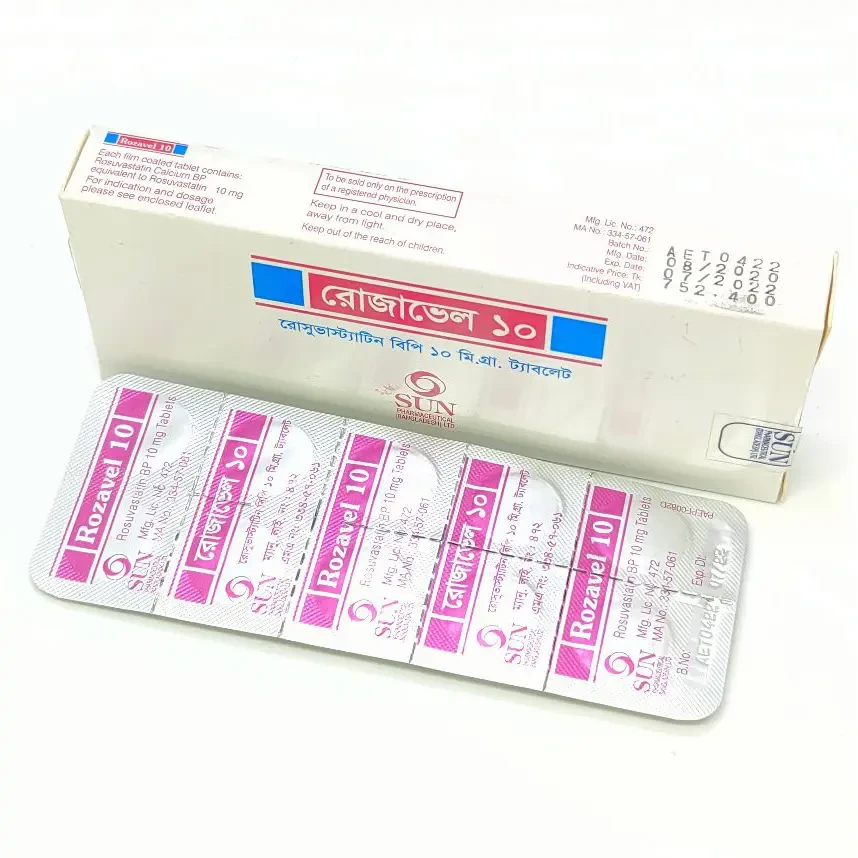
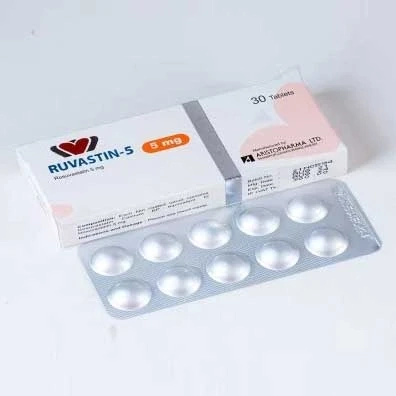
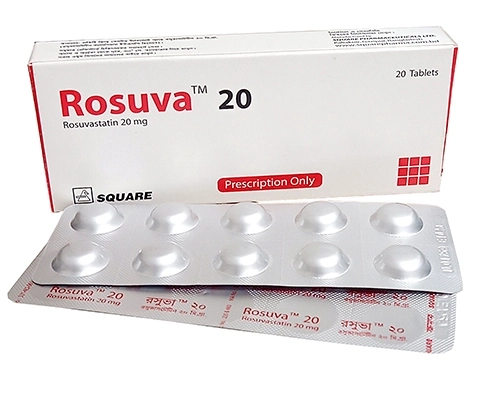
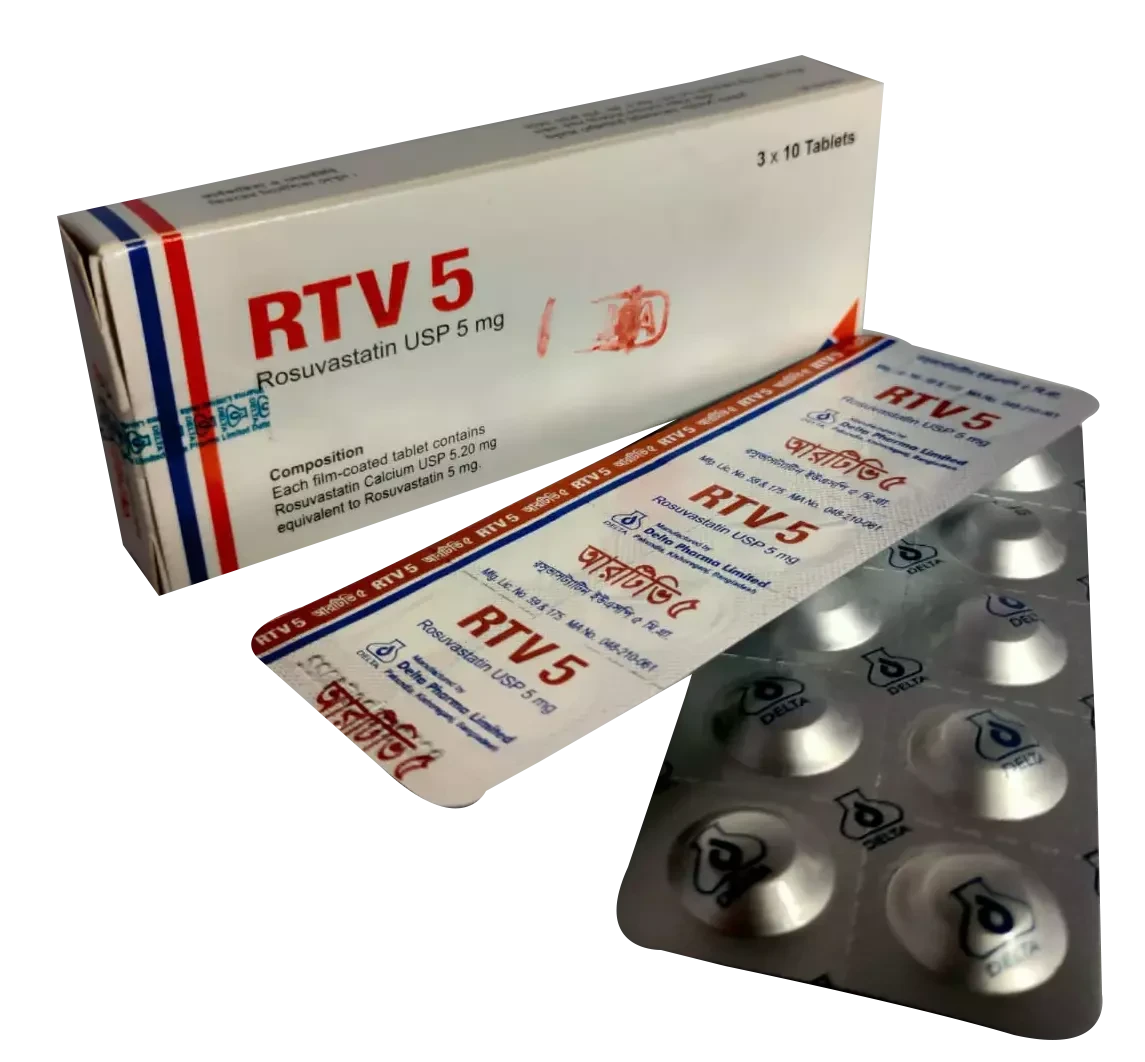
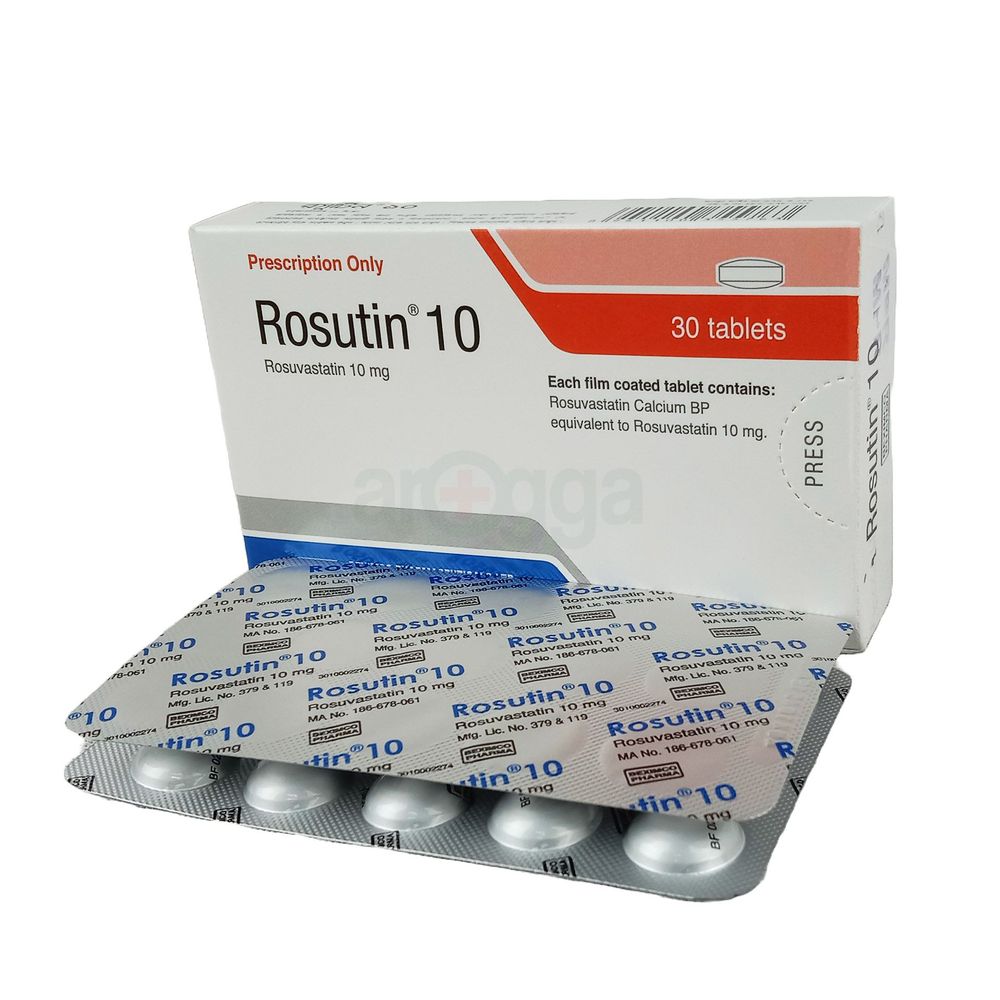
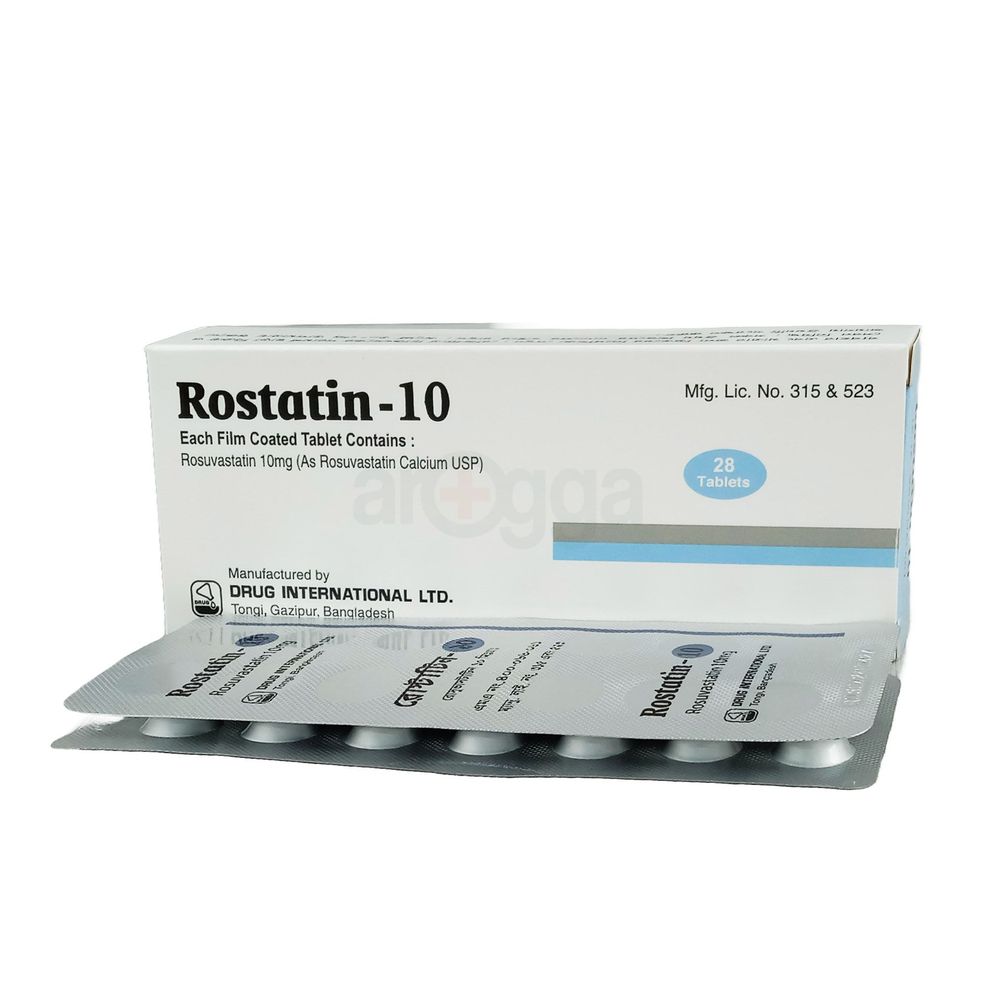
Compare ingredients, strengths, packs and prices. Ask your pharmacist before switching medicines.
Square Pharmaceuticals PLC
In stock
Beximco Pharmaceuticals Ltd.
In stock
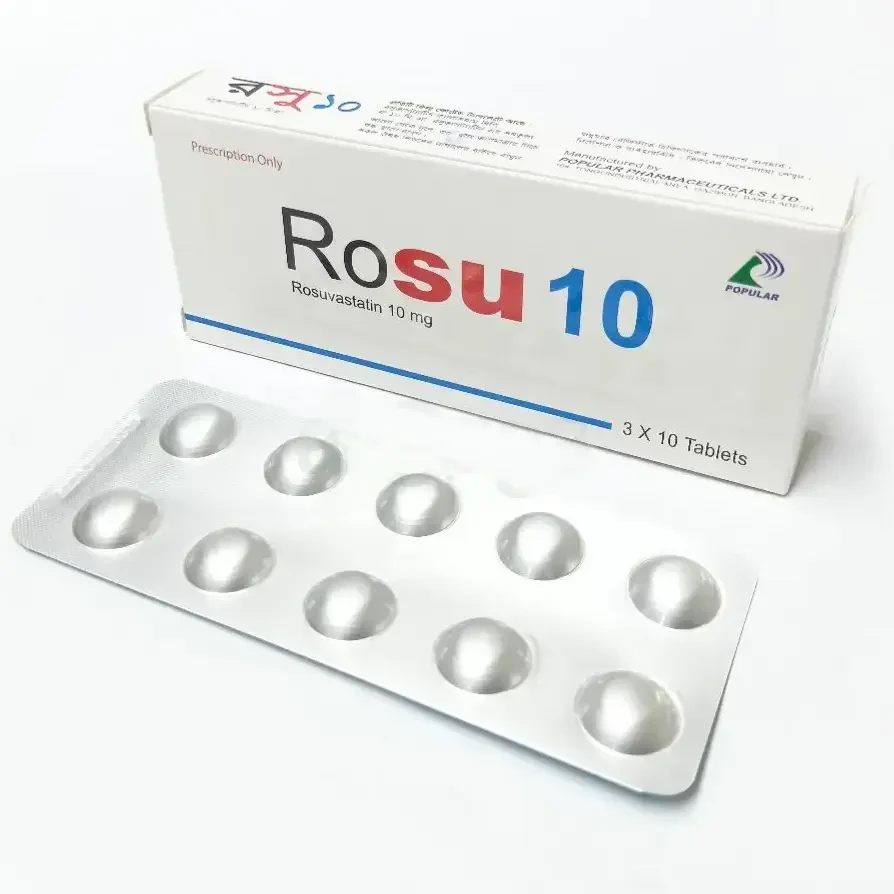
Popular Pharmaceuticals Ltd.
In stock
Same active ingredient. Strength, dosage form and pack size differ — only a doctor or pharmacist can say which one suits you.
Know what you choose
The essentials, practical guidance and product details, together.
Product information
"Indications Rocovas tablet is indicated for: Patients with primary hyperlipidemia and mixed dyslipidemia as an adjunct to diet to reduce elevated total-C, LDL-C, ApoB, non HDL-C and TG levels and to increase HDL-C. Patients with hypertriglyceredemia as an adjunct to diet. Patients with primary dysbetalipoproteinemia (Type III hyperlipoproteinemia) as an adjunct to diet."
Product information
"Pharmacology Rosuvastatin is a selective and competitive inhibitor of HMG-CoA reductase, the rate-limiting enzyme that converts 3-hydroxy-3-methyl glutaryl coenzyme A to mevalonate, a precursor of cholesterol. Rosuvastatin produces its lipid-modifying effects in two ways. First, it increases the number of hepatic LDL receptors on the cell surface to enhance uptake and catabolism of LDL. Second, Rosuvastatin inhibits hepatic synthesis of VLDL, which reduces the total number of VLDL and LDL particles."
Product information
"Dosage & Administration Heterozygous Familial Hypercholesterolemia in Pediatric Patients (10 to 17 years of age): The usual dose range of Rosuvastatin is 5-20 mg\/day; the maximum recommended dose is 20 mg\/day (doses greater than 20 mg have not been studied in this patient population). Doses should be individualized according to the recommended goal of therapy. Adjustments should be made at intervals of 4 weeks or more. Very High Cholesterol and High Risk of Ml or Stroke: 40 mg once daily. Homozygous Familial Hypercholesterolemia: The recommended starting dose of Rosuvastatin is 20 mg once daily. Response to therapy should be estimated from preapheresis LDL-C levels. Dosage in Asian Patients: Initiation of Rosuvastatin therapy with 5 mg once daily should be considered for Asian patients Use with Cyclosporine, Lopinavir\/Ritonavir or Atazanavir\/Ritonavir: In patients taking Cyclosporine, the dose of Rosuvastatin should be limited to 5 mg once daily. In patients taking a combination of Lopinavir and Ritonavir or Atazanavir and Ritonavir, the dose of Rosuvastatin should be limited to 10 mg once daily. Concomitant Lipid-Lowering Therapy: The risk of skeletal muscle effects may be enhanced when Rosuvastatin is used in combination with Niacin or Fenofibrate; a reduction in Rosuvastatin dosage should be considered in this setting. Combination therapy with Gemfibrozil should be avoided because of an increase in Rosuvastatin exposure with concomitant use; if Rosuvastatin is used in combination with Gemfibrozil, the dose of Rosuvastatin should be limited to 10 mg once daily. Dosage in Patients with Severe Renal Impairment: For patients with severe renal impairment (ClCr<30 mL\/min\/1.73 m\u00b2) not on hemodialysis, dosing of Rosuvastatin should be started at 5 mg once daily and not exceed 10 mg once daily. * \u09b0\u09c7\u099c\u09bf\u09b8\u09cd\u099f\u09be\u09b0\u09cd\u09a1 \u099a\u09bf\u0995\u09bf\u09ce\u09b8\u0995\u09c7\u09b0 \u09aa\u09b0\u09be\u09ae\u09b0\u09cd\u09b6 \u09ae\u09cb\u09a4\u09be\u09ac\u09c7\u0995 \u0994\u09b7\u09a7 \u09b8\u09c7\u09ac\u09a8 \u0995\u09b0\u09c1\u09a8'"
Product information
"Interaction Remarkable drug interactions of Rocovas are- Cyclosporine: Combination increases Rocovas exposure. Rocovas dose should be limited to 5 mg once daily. Gemfibrosil: Combination should be avoided. If used together, Rocovas dose should be limited to 10 mg once daily. Lopinavir\/Ritonavir or atazanavir\/ritonavir: Combination increases Rocovas exposure. Rocovas dose should be to 10 mg once daily. Coumarin anticoagulants: Combination prolongs international normalized ratio (INR). Stable INR should be achieved prior to starting Rocovas. INR should be monitored frequently until stable upon initiation or alteration of Rocovas therapy. Concomitant lipid-lowering therapies: Use with fibrates and niacin products may increase the risk of skeletal muscle effects."
Product information
"Contraindications Rosuvastatin is contraindicated if- Known hypersensitivity to product components Liver disease, which may include unexplained persistent elevations in hepatic transaminase levels Pregnant women and women who may become pregnant Nursing mothers"
Product information
"Side Effects Rocovas is generally well tolerated. The most frequent adverse events thought to be related to Rocovas were headache, myalgia, constipation, asthenia, abdominal pain and nausea."
Product information
"Pregnancy & Lactation Rosuvastatin should be administered to women of childbearing age only when such patients are highly unlikely to conceive and have been informed of the potential hazards. If the patient becomes pregnant while taking this drug, therapy should be discontinued immediately. It is not known whether Rosuvastatin is excreted in human milk, but a small amount of another drug in this class does pass into breast milk."
Product information
"Precautions & Warnings Rocovas should be prescribed with caution in patients with predisposing factors for myopathy (e.g., age >65 years, inadequately treated hypothyroidism, renal impairment). The risk of myopathy during treatment with Rocovas may be increased with concurrent administration of some other lipid-lowering therapies (Fibrates or Niacin), Gemfibrozil, Cyclosporine, Lopinavir\/Ritonavir, or Atazanavir\/Ritonavir. Rocovas therapy should be discontinued if markedly elevated creatinine kinase levels occur or myopathy is diagnosed or suspected. Rocovas therapy should also be temporarily withheld in any patient with an acute, serious condition suggestive of myopathy or predisposing to the development of renal failure secondary to rhabdomyolysis (e.g., sepsis, hypotension, dehydration, major surgery, trauma, severe metabolic, endocrine, and electrolyte disorders, or uncontrolled seizures). It is recommended that liver enzyme tests be performed before and at 12 weeks following both the initiation of therapy and any elevation of dose, and periodically (e.g., semiannually) thereafter."
No verified reviews yet.
Complete your care shelf
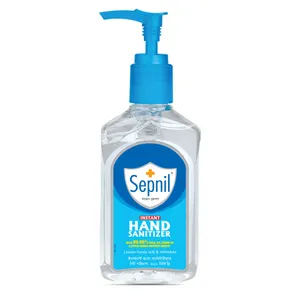
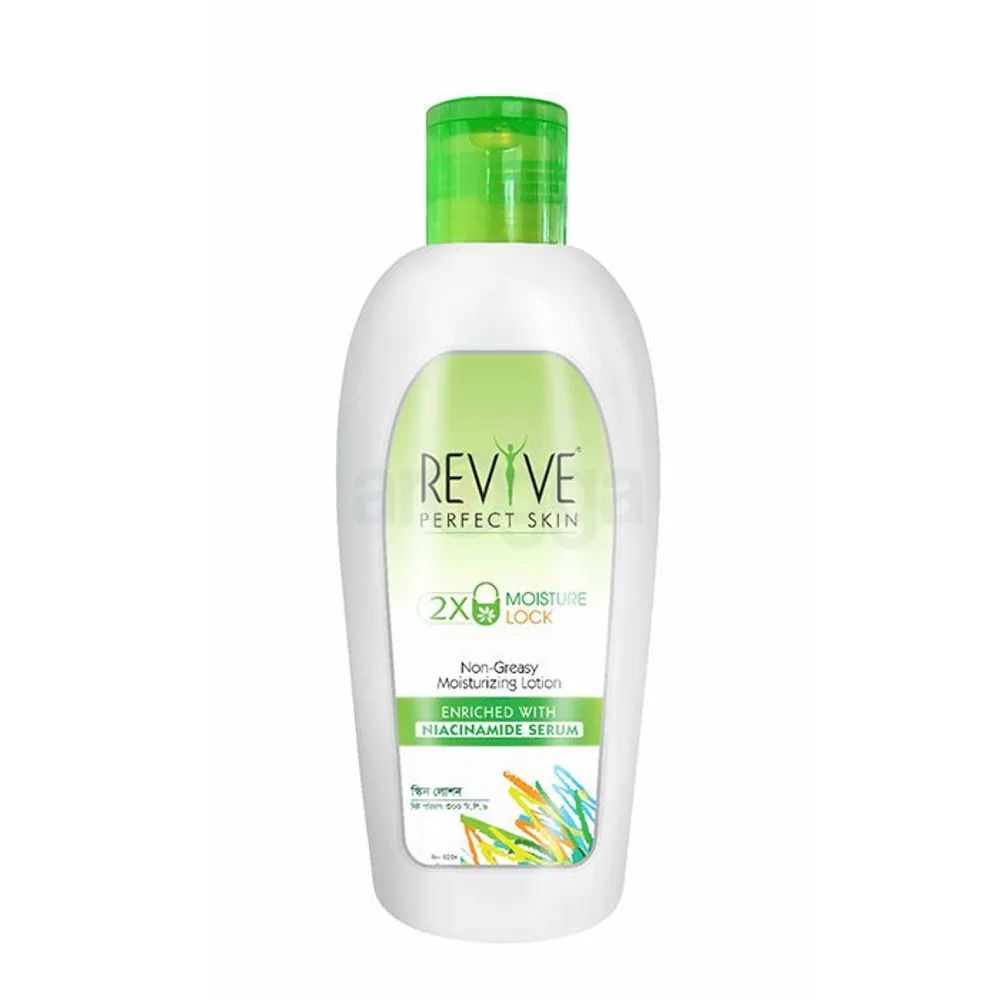
Everyday essentials selected by LifePlus. These are curated suggestions, not a treatment combination.
From the same maker
Explore more products from this manufacturer or brand.